
As the snow melts and temperatures begin to rise, many Alberta vehicle owners are getting ready for the upcoming camping and travel season. If your RV, boat, or trailer has been sitting in winter storage Calgary, it’s important to take the right steps before getting back on the road.
De-winterizing isn’t just about turning everything back on—it’s about checking key systems, making sure nothing was damaged during the winter months, and ensuring everything is safe and functional. Whether you handled your own prep or used a storage facility for calgary rv storage, this guide will walk you through what to check first.
Why De-Winterizing Matters
If you took the time to winterize rv systems properly, you’ve already done half the work. But skipping de-winterization can lead to leaks, electrical issues, or even safety hazards.
Seasonal rv maintenance is essential for protecting your investment and making sure your vehicle is safe for use. From your water pump to your propane system, each component needs attention before you’re ready to hit the road again.
Step 1: Remove Antifreeze from the Water System
During winter prep, rv antifreeze is added to your plumbing system to prevent freezing. Now it needs to be flushed out completely.
Start by filling your fresh water tank with clean water. Then, turn on the water and run each faucet until the antifreeze is cleared from all water lines. Don’t forget sinks, showers, and toilets.
If your unit has a water heater bypass, switch it back to normal operation before flushing. This ensures your water heaters are properly filled and ready for use.
Step 2: De-Winterizing Using Compressed Air
One of the most effective methods for de-winterizing a trailer or RV is using compressed air to clear out remaining moisture in the system.
This process helps remove leftover antifreeze and ensures your water lines are clean and ready. It also reduces the risk of contamination in your fresh water system.
Many RV owners choose professional services for this step, as it ensures the system is cleared safely and thoroughly.
Step 3: Pressurize the Water System and Check for Leaks
Once the system is flushed, it’s time to test it. Turn on the pump and pressurize your water system. Watch for drops in pressure or visible leaks.
Check around fittings, under sinks, and near the water pump. Any cracks or loose connections may have developed during freezing conditions.
Catching leaks early is a good idea and can prevent costly repairs later.
Step 4: Inspect Plumbing for Freeze Damage
Even if you followed all winter steps correctly, freezing temperatures can still cause hidden damage. Inspect pipes, fittings, and connections for any signs of cracking or warping.
Pay close attention to areas near the holding tank and fresh water tank, as these are more exposed to temperature changes.
If you notice anything unusual, it’s best to repair it before using your system regularly.
Step 5: Check Battery and Charging Systems
Your battery likely sat unused for months, which can affect its performance. Check that it is fully charged and holds power properly.
Inspect cables and connections for corrosion or wear. If your battery struggles to maintain a charge, it may need replacing.
Reliable battery power is essential, especially if you plan to travel off-grid during the camping season.
Step 6: Test Appliances and Safety Systems
Next, go through all onboard appliances and systems. Turn on your stove, fridge, furnace, and air conditioning to make sure everything is functioning correctly.
Safety checks are just as important. Test smoke detectors, carbon monoxide detectors, and fire extinguishers.
These checks give you peace of mind before heading out on your first trip of the season.
Step 7: Inspect Roof, Seals, and Exterior
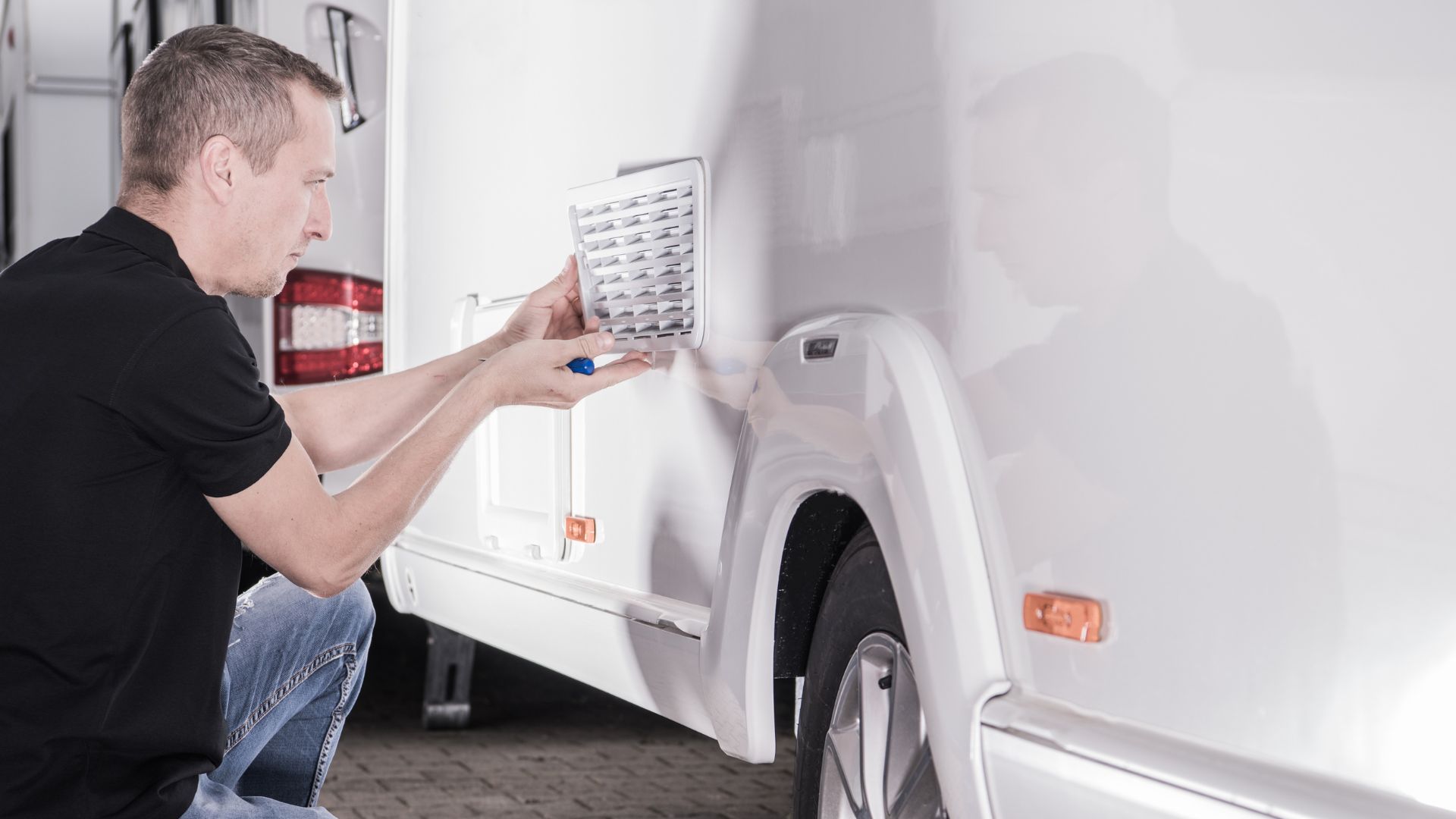
Winter weather can be hard on your RV or trailer exterior. Check the roof for cracks, soft spots, or worn sealant. Inspect windows, doors, and vents for gaps that could allow moisture inside.
Seal any problem areas as needed. Minor issues caught early can prevent major water damage later.
Step 8: Perform a Propane Leak Test
Before using your propane system, check for leaks. Turn on the gas and listen or smell for any signs of leakage. You can also use a soapy water solution to check connections for bubbles.
A proper propane leak test is essential for safety and should never be skipped.
Step 9: Check Tires and Exterior Components
Before you hit the road, inspect your tires carefully. Check tire pressure, look for cracks, and ensure tread is in good condition.
Also inspect lights, brakes, and hitch components. These are critical for safe travel, especially after long-term storage.
Get Ready for the Camping Season with Confidence
De-winterizing your RV, boat, or trailer is a key part of getting back to adventure. By taking the time to check your water system, battery, appliances, and exterior, you ensure your vehicle is safe, reliable, and ready for the road.
For many rv owners, using professional services for seasonal rv maintenance is the easiest way to avoid missing anything important. Whether your unit has been in winter storage Calgary or sitting at home, a thorough inspection helps you prepare your rv and enjoy the season ahead without stress.
When everything is working as it should, you can focus on what matters most—getting out there and enjoying the journey.