
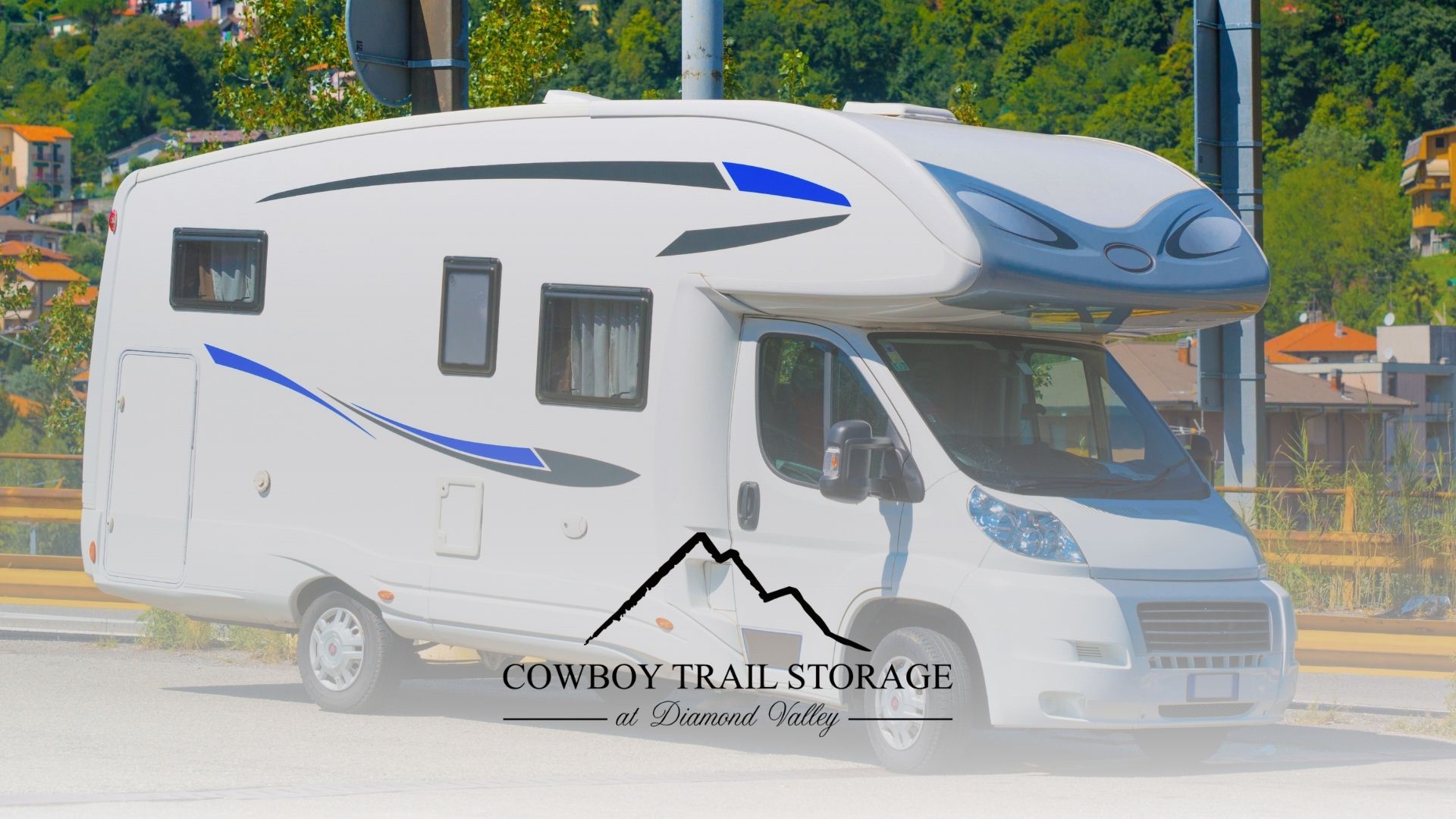
When you think about winter RV storage, your mind might immediately go to plumbing, your water heater, or the importance of winterizing your RV. But one part of your RV that often gets overlooked is your tires. Without the right care, RV tires can crack, flatten, or fail to hold air after sitting still for months. Since tires are both expensive and essential, proper tire storage and maintenance during the off-season should always be part of your plan.
Whether you keep your RV at home, in a self storage unit, or at a trusted facility like Cowboy Trail RV, there are practical steps you can take to keep your tires safe. These storage tips will help you protect your investment, extend tire life, and ensure you’re ready to hit the road when spring comes.
Why Tire Protection Matters
RV tires aren’t like car tires. They carry more weight and are often stationary for longer periods of time. When your RV is parked during long term or winter storage, several risks can affect your tires:
- Flat spots from sitting in one position too long
- Cracking from UV exposure or cold weather
- Moisture damage if not kept in a cool, dry place
- Air loss that leads to structural weakness
Replacing RV tires is costly, and in many cases, they wear out due to storage conditions rather than road use. Taking steps for proper tire protection helps avoid unnecessary repair or replacement and gives you confidence that your RV is road-ready.
Step 1: Prepare Your RV Before Storage
Before focusing on tires, you need to properly prepare your RV for storage. This includes draining the water heater, emptying tanks, and securing the interior. Once that’s complete, give the RV a good wash, including the tires and wheels. Remove dirt, road salt, and chemicals that can corrode rubber or metal.
If your RV has chrome wheels, remember that cosmetic protection does not apply to chrome wheels the same way it does to standard finishes. These require extra care, such as applying specialized wheel cleaner and polish before storing your RV.
Step 2: Check and Adjust Tire Pressure
Before parking for long term storage, check your tire pressure. Inflate each tire to the manufacturer’s recommended PSI. Underinflated tires are more likely to develop flat spots, while overinflation can increase the risk of cracking in cold weather.
If you have a tire pressure monitoring system, this is a good time to test it. Even though your RV will be parked, having accurate pressure data is helpful when moving the RV back into service.
Step 3: Use Covers for Tire Protection
UV rays can be just as damaging in winter as in summer. Even if your RV is in a storage facility, outdoor RV parking exposes your tires to sunlight, which causes cracking over time. A simple set of tire covers adds a layer of tire protection by blocking UV rays and shielding rubber from temperature swings. Choose breathable covers that won’t trap moisture. While they provide excellent cosmetic protection for rubber, remember they are not a substitute for wheel cleaning or maintenance.
Step 4: Move the RV Occasionally
If possible, move your RV a few feet every month during winter storage. This prevents tires from sitting in the same spot for too long, reducing the risk of flat spots. If moving isn’t possible, place the RV on leveling blocks or jack stands to take some pressure off the tires.
Facilities like Cowboy Trail RV often provide spacious storage space and easy access, making it simple to check in and adjust your vehicle as needed.

Step 5: Consider Indoor or Covered Storage
When you store your RV outside for long stretches, your tires are exposed to more risks. Covered or indoor storage units provide added tire protection by keeping your RV in a stable environment. This option also helps keep your vehicle cool, dry, and shielded from snow or ice.
If you’re looking at storage facilities in Alberta, ask about covered stalls, indoor options, or whether the facility offers specialized storage solutions for RVs. While this may cost more than outdoor parking, it helps preserve your tires and reduces the need for repair or replacement later.
Step 6: Invest in a Tire Protection Plan
Some storage providers and tire companies offer a tire protection plan. These plans can include coverage for tire wheel and cosmetic damage, assistance if tires fail to hold air, or even discounts on new tires. While not everyone needs this level of coverage, it can be worth exploring if you store your RV in harsher conditions or use it frequently.
Step 7: Keep It Cool, Dry, and Secure
No matter where you store your RV, the key to tire safety is controlling the environment. Choose a cool, dry location, keep your tires clean, and avoid parking on grass or dirt, which holds moisture and accelerates deterioration. Concrete or gravel pads are better options for long-term RV storage. At facilities like Cowboy Trail RV, you’ll find dedicated storage solutions with secure lots, proper drainage, and enough space to park comfortably. Combined with other winter preparation steps, this gives you peace of mind all season.
Extra Storage Tips for RV Owners
Don’t forget to inspect tires regularly while in storage. Look for cracks, bulges, or uneven wear. Use wheel chocks for safety, especially in outdoor RV parking. If you’re in self storage and sharing space, make sure there’s enough clearance to avoid accidental tire or wheel damage. Always double-check tire pressure before you hit the road again in spring.
Tires are one of the most important parts of your RV—and one of the easiest to neglect during winter RV storage. By focusing on proper tire storage and following these storage tips, you can extend their life, prevent costly repair or replacement, and keep your RV ready for adventure.
Whether you’re storing at home or choosing a professional storage facility like Cowboy Trail RV, the key is preparation and protection. With the right care, you’ll roll into the next camping season confidently, knowing your tires are as ready as the rest of your RV.