
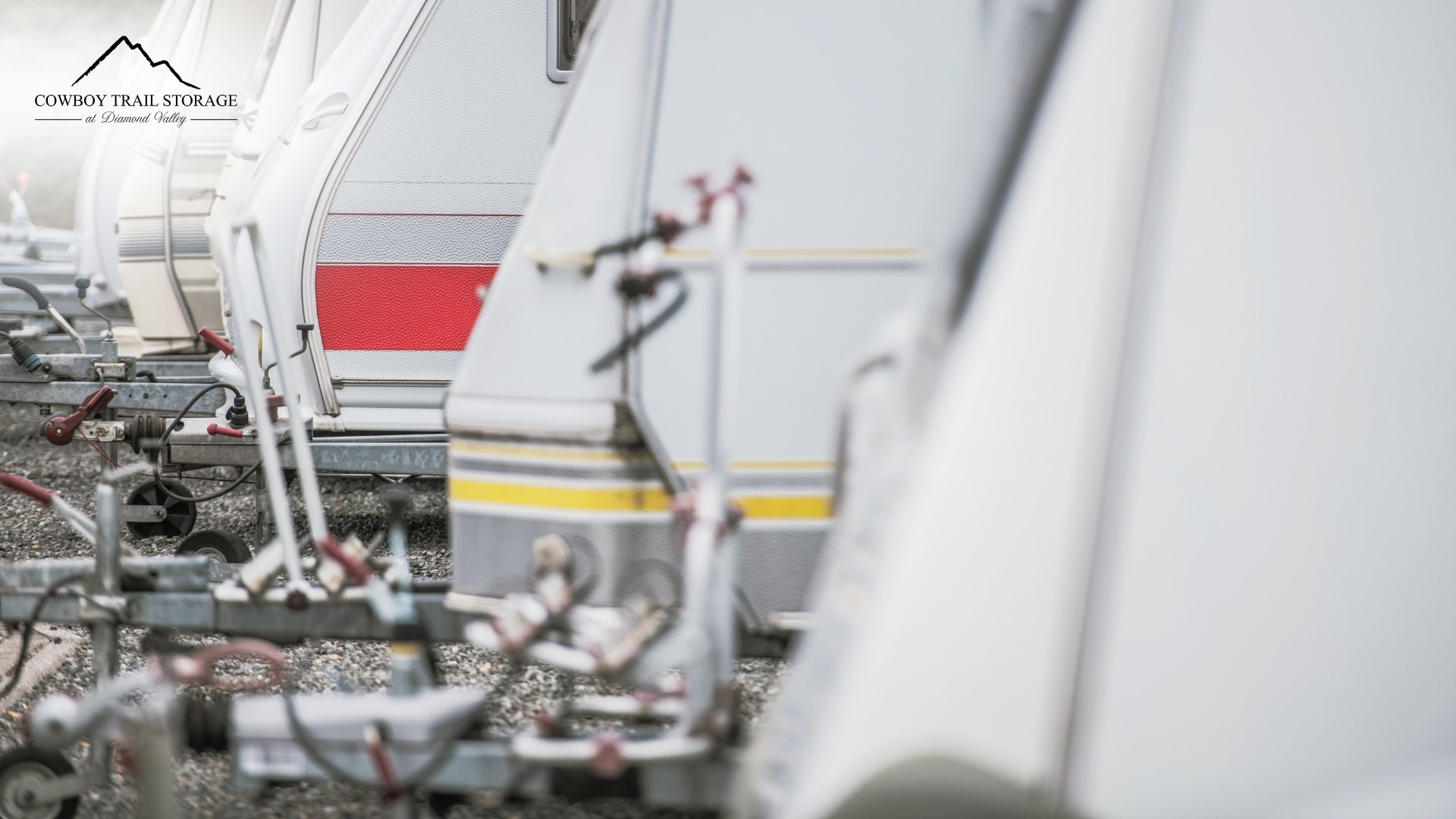
Owning a trailer gives you the freedom to camp, travel, haul equipment, and enjoy weekends away. But when the trailer is not in use, it can take up a large amount of room at home. A driveway that once had space for family vehicles can quickly become crowded, and side yards or back lanes may not be practical for long-term parking.
Off-site trailer storage offers a simple solution. By moving your trailer to a secure storage facility, you can reclaim valuable space, improve the appearance of your property, and make day-to-day life more convenient. For owners looking for RV storage near Calgary, choosing the right storage location can also make it easier to reach popular camping routes and outdoor destinations.
Reclaim Your Driveway and Yard
A trailer can take up the same space as one or two vehicles, depending on its size. Keeping it at home may limit parking for family members, visitors, or work vehicles. It can also make snow removal, yard maintenance, and home projects more difficult.
Using off-site trailer storage clears that space immediately. Your driveway becomes easier to use, your yard feels less crowded, and your property looks more organized. This can be especially helpful for homes with smaller lots or limited street parking.
Self storage is not only about boxes and furniture. Many facilities offer outdoor parking and vehicle storage designed for trailers, campers, and recreational vehicles.
Reduce Stress Around Parking
Backing a large trailer into a residential driveway can be stressful, especially on narrow streets or busy neighbourhood roads. Tight turns, parked cars, fences, and low branches can make every arrival more difficult.
A professional storage facility is designed with larger vehicles in mind. Wide drive lanes and marked parking areas make it easier to drop off or pick up your trailer. Choosing a facility with convenient access can turn trailer parking into a much more stress-free experience.
Some facilities also offer month to month rental terms, which can be useful if you only need storage during part of the year.
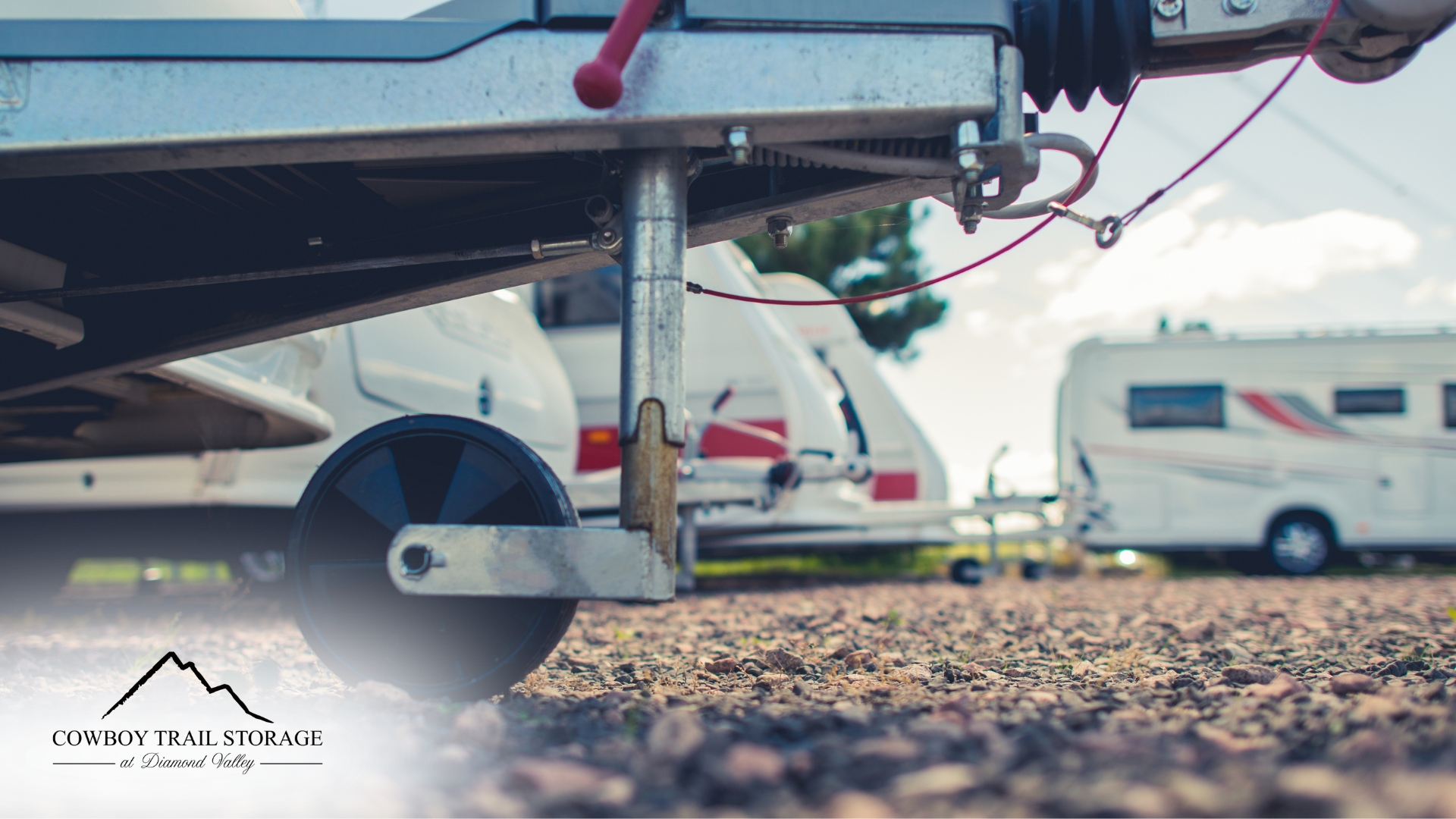
Protect Your Trailer Between Trips
Keeping a trailer at home does not always provide the best protection. It may be exposed to traffic, falling branches, vandalism, or accidental damage from other vehicles.
A quality storage facility may provide gated entry, video surveillance, lighting, fencing, and other storage amenities. These features help protect your investment while it is not in use.
When comparing storage options, ask about access hours, security, surface conditions, drainage, and customer service. A good facility should explain its policies clearly and help you select a space that meets your needs.
Make RV Maintenance Easier
Off-site storage can also help you stay organized with RV maintenance. Instead of squeezing around your trailer in a crowded driveway, you can visit it at a dedicated storage location to check the tires, battery, seals, lights, and exterior.
Before you store your RV or trailer for a long term period, complete basic maintenance and remove food, valuables, and moisture-sensitive items. Regular checks can help prevent small issues from becoming expensive repairs.
If the storage site offers on-site service or maintenance support, it can make seasonal preparation even more convenient.
Choose the Right Storage Space
Trailers come in many lengths and heights, so choosing the correct storage space is important. The facility should have enough room for your trailer, hitch, slide-outs, and safe movement around the unit.
Ask for a size guide if you are unsure what will fit. Storage providers may offer several unit sizes or parking lengths depending on the unit type. Common storage options may include:
- Outdoor parking spaces
- Covered vehicle storage
- Enclosed units
- Drive-up self storage
- Indoor or climate control spaces
A mini storage unit may be useful for camping gear, tools, or packing supplies, but it is usually not suitable for a full trailer. Different types of storage unit serve different purposes, so always confirm the available measurements before booking.
For household belongings, larger units may hold furniture, appliances, or even a king sized mattress. However, trailers generally require dedicated outdoor or enclosed vehicle storage rather than standard indoor units.