
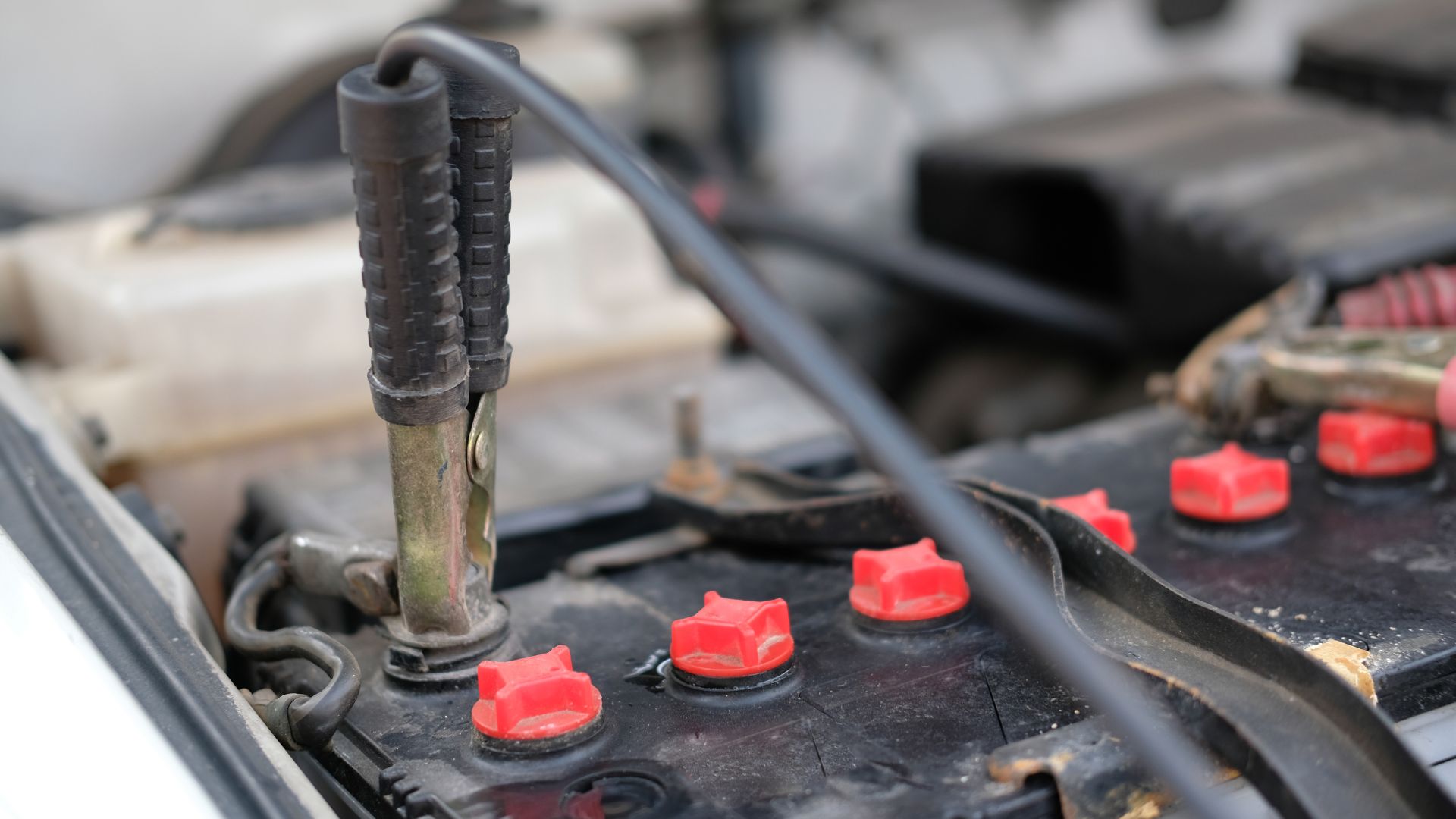
Proper rv battery maintenance is one of the most important parts of rv storage, especially during long term storage. Whether your RV is parked at home, in a storage unit, or at one of the many storage facilities offering vehicle storage, battery care can make the difference between a smooth start in spring or an expensive replacement.
Many RV owners don’t realize how quickly rv batteries can lose charge when left unattended. The good news is that with a few simple steps, you can protect your batteries, extend their lifespan, and enjoy real peace of mind while your RV is stored.
This guide covers practical storage tips to help you care for your battery during long term and term storage, including advice specific to storage in Calgary AB, where cold temperatures add extra challenges.
Why RV Battery Maintenance Matters During Long-Term Storage
Even when your RV isn’t being used, the battery continues to drain slowly. Small systems such as clocks, alarms, and control panels can draw power over time. Cold weather accelerates this process, making battery maintenance even more important during winter.
If a battery sits in a discharged state for too long, it can develop sulfation. This buildup reduces capacity and shortens battery life. In severe cases, the battery may fail completely.
Proper battery care during long term storage protects your investment and helps ensure your RV is ready when travel season returns.
Fully Charge the Battery Before Storage
Before placing your RV into storage, always fully charge the battery. A fully charged battery is less likely to freeze and far more likely to survive extended storage without damage.
This step applies whether your RV will be stored for a few weeks or several months. Never place an RV into storage with a partially charged battery, as this greatly increases the risk of permanent damage.
Charging the battery fully is one of the simplest and most effective storage solutions available.
Remove the Batteries for Long-Term Storage
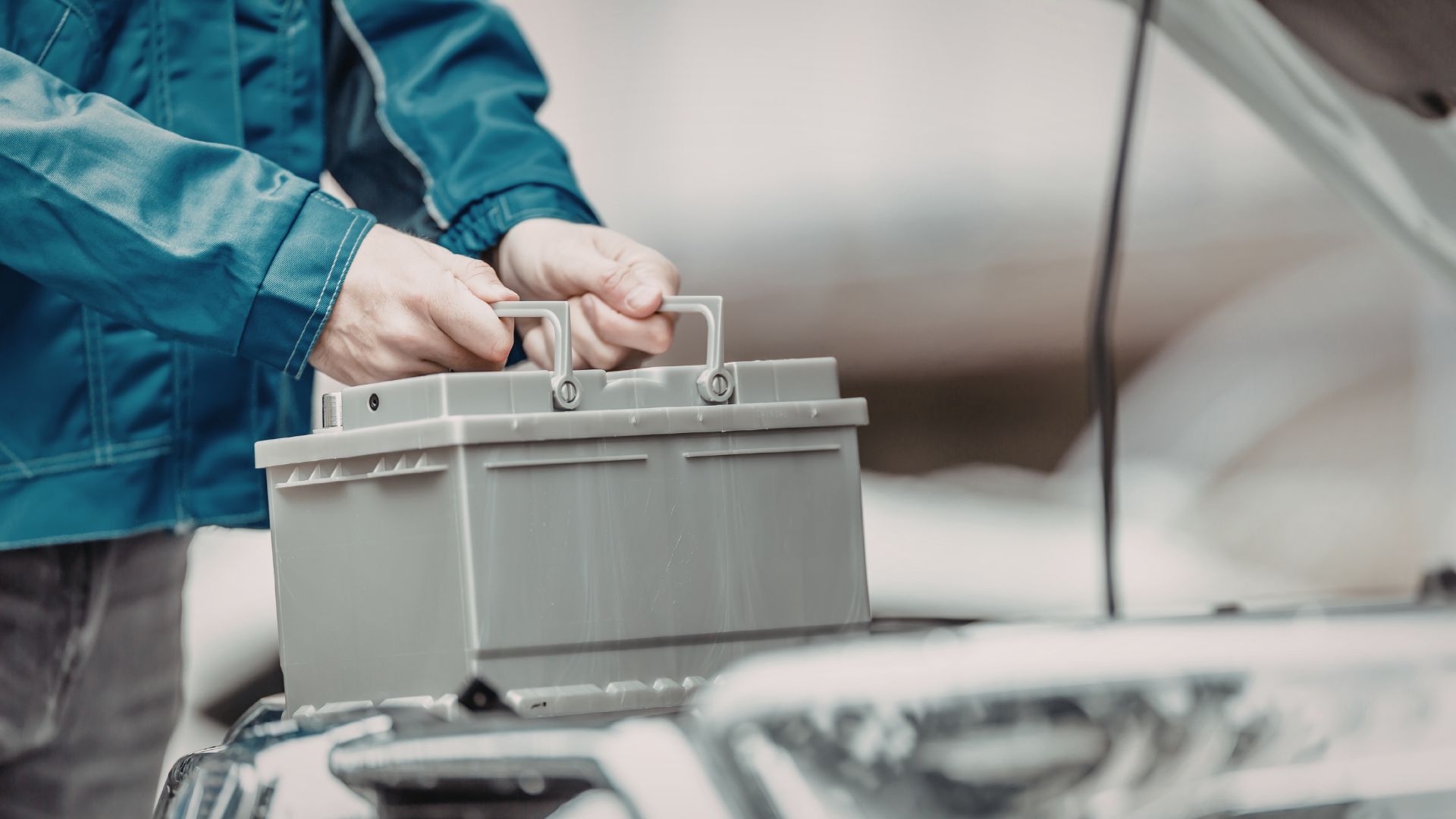
For extended or winter storage, many experts recommend you remove the batteries entirely. Storing batteries indoors helps protect them from extreme cold and temperature fluctuations.
If you remove the batteries, store them in a dry, well-ventilated space, away from direct heat sources. A garage or climate-controlled storage area works well. Place the battery on a non-conductive surface and keep it clean and dry.
Removing the batteries is especially helpful for RV owners using outdoor storage locations or uncovered storage facilities.
Disconnect Power to Prevent Drain
If removing the batteries isn’t practical, disconnect them before storage. Disconnecting the negative terminal prevents small electrical draws that slowly drain power during storage.
Many RVs are equipped with battery disconnect switches, which make this step quick and easy. If not, manually disconnecting the battery is still very effective.
Preventing unnecessary drain is a key part of rv battery maintenance during long term storage.
Use a Battery Maintainer for Best Results
If your storage unit or storage location has access to electricity, a smart battery maintainer is an excellent option. These devices keep the battery charged without overcharging it.
Unlike standard trickle chargers, smart maintainers monitor voltage and only provide power when needed. This keeps the battery healthy throughout long term storage and reduces the need for frequent checks.
For RV owners storing their vehicles at professional storage facilities, ask whether power hookups are available as part of their storage solutions.
Check and Maintain Fluid Levels
For RVs with flooded lead-acid batteries, checking fluid levels is essential. Low fluid levels can damage internal battery plates.
Before storage, open the battery caps and ensure the plates are fully covered. Top up using distilled water only. Never use tap water, as minerals can damage the battery.
Do not overfill. Proper fluid levels help preserve rv batteries and improve long-term performance.
Clean Battery Terminals Before Storage
Dirty or corroded terminals can interfere with charging and shorten battery life. Before storage, clean the terminals thoroughly.
A simple cleaning solution made with water and baking soda works well. Use a wire brush to remove corrosion from terminals and cable ends. Once clean, rinse with water and dry completely.
Applying a small amount of protective grease after cleaning can help prevent future corrosion and support better battery care during storage.
Inspect Batteries Periodically During Storage
If possible, check your batteries every four to six weeks during long term storage. Look for corrosion, loose connections, or signs of swelling.
If the batteries are stored indoors, ensure they remain fully charged. For batteries left in the RV, confirm that disconnects or maintainers are working properly.
Regular inspections are an easy way to avoid costly problems and maintain confidence in your rv storage plan.
Battery Care Tips for Storage in Calgary AB
Cold winters make storage in Calgary AB especially tough on batteries. Low temperatures slow chemical reactions inside the battery and increase the risk of freezing if the charge level drops.
For Calgary-area RV owners, indoor storage or removing the batteries is strongly recommended. Climate-controlled storage facilities offer added protection and can significantly extend battery life.
Choosing the right storage locations and following basic battery maintenance steps can save money and reduce stress when spring arrives.
Protect Your Battery, Protect Your RV
Proper rv battery maintenance is a small effort that delivers big benefits. By taking time to fully charge your battery, disconnect or remove the batteries, and store them correctly, you protect your RV and avoid unnecessary repair costs.
Whether your RV is parked at home, in a storage unit, or at professional storage facilities, good battery care ensures reliability, safety, and peace of mind throughout long term storage.
With the right approach and smart storage tips, your RV will be ready to go when adventure calls again.