
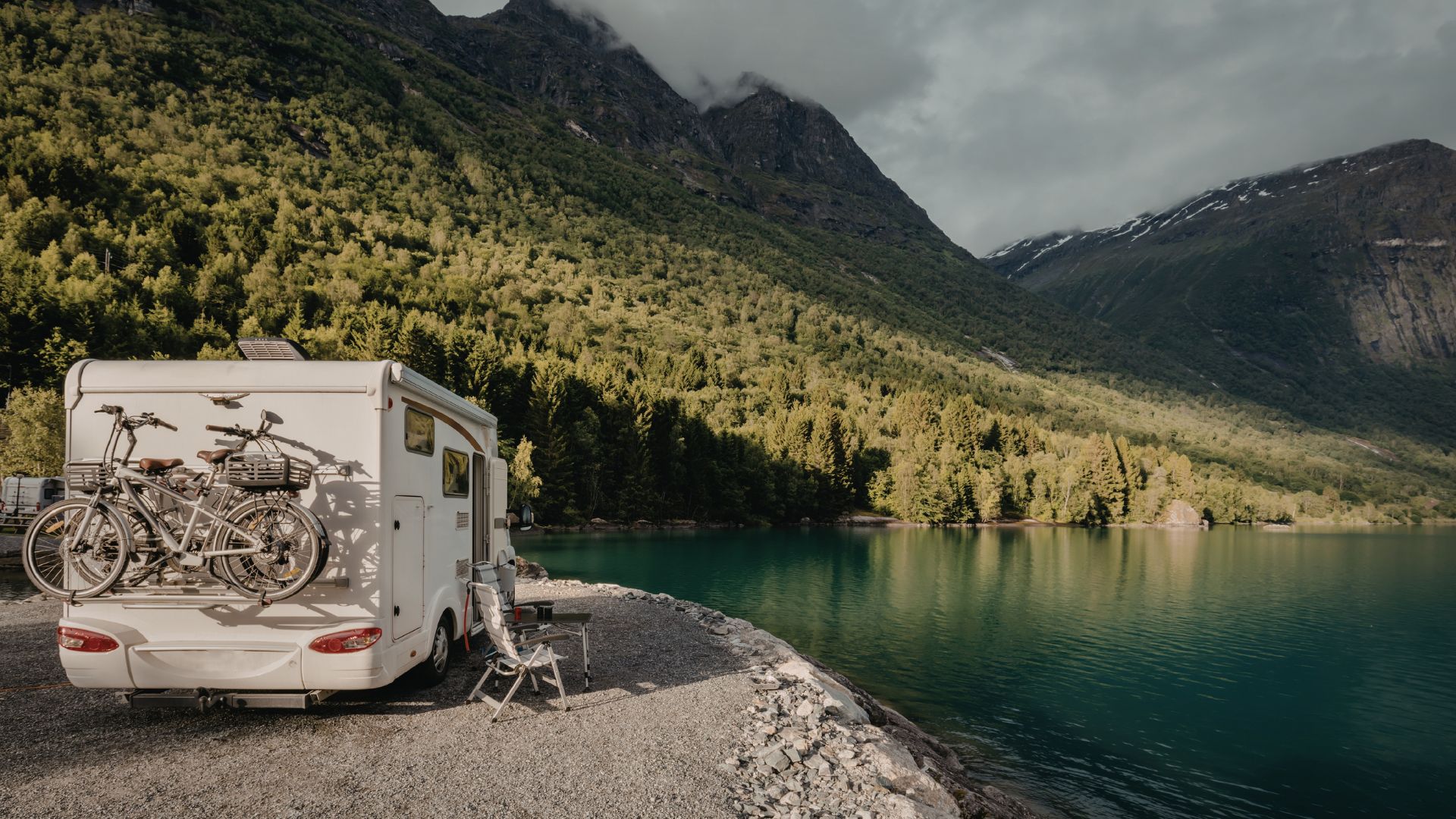
How to Protect Your RV While Storing Your RV in the Off-Season
When storing your RV for the winter months in Alberta, most owners focus on winterizing your RV. You drain the water lines, protect water pumps, empty holding tanks, and check hot water heaters.
But there is another risk many people overlook: pests.
Rodents and small animals look for warm shelter during Alberta winters. If you park your RV and leave it sitting for months, it can quickly become an easy target. Spring thaw can make the problem worse as melting snow drives animals to dry spaces.
These RV pest prevention tips will help protect your RV while it is parked in storage.
Why RVs Attract Pests in Winter
During the winter months, mice and other rodents look for:
- Warm spaces
- Dark areas with little movement
- Soft material for nesting
- Small food crumbs
When storing your RV, it provides all of these things.
Even if you clean carefully, small crumbs or moisture can attract pests. That is why pest prevention should be part of how you prepare your RV for storage.
Step 1: Clean Thoroughly Before You Put Your RV in Storage
Cleaning the interior is one of the most important steps.
Before you put your RV into storage:
- Remove all food, including dry goods and pet food
- Empty cupboards and drawers
- Vacuum floors, under cushions, and storage areas
- Wipe down counters and tables
- Clean inside the fridge and freezer
- Leave fridge doors slightly open
Don’t forget hidden areas like under beds and inside compartments.
Even a small food source can attract pests. A deep clean is always a good idea before storing your RV.
Step 2: Seal All Entry Points
Mice can squeeze through holes as small as a coin.
After winterizing your RV and draining water lines, inspect the exterior carefully.
Look for:
- Gaps around plumbing and water pumps
- Openings near electrical wiring
- Cracks around slide-outs
- Vents and access panels
- Undercarriage openings
Use steel wool to block small holes. Expanding foam can seal larger gaps. Check your owner’s manual to make sure any products you use are safe for your model.
If light can get in, pests can get in.
Step 3: Use Safe Deterrents
Adding deterrents is another layer of protection.
Some common options include:
- Peppermint oil sachets
- Commercial rodent repellent packs
- Dryer sheets in storage compartments
- Ultrasonic devices (if power is available)
Avoid placing poison inside your RV. If an animal dies inside a wall, the smell can last for weeks.
Using several methods together gives better results.
Step 4: Protect the Exterior and Undercarriage
Where you park your RV matters.
If your RV is parked near tall grass, fields, or wooded areas, pests are more likely to find it.
To reduce risk:
- Keep the surrounding area clean
- Avoid storing cardboard boxes nearby
- Do not stack firewood close to your RV
- Cover your RV properly
- Use tire covers
When choosing storage options, a maintained RV storage facility is often safer than a backyard. Professional lots usually have gravel or paved surfaces, which help reduce rodent activity.
A secure storage facility can make a big difference in pest control.
Step 5: Control Moisture
Moisture attracts pests and can cause mold.
After winterizing your RV:
- Drain water lines fully
- Empty holding tanks
- Check hot water heaters
- Use moisture absorbers inside
- Slightly vent roof covers if safe
Keeping the interior dry helps protect your RV from both pests and mildew.
Step 6: Check on Your RV During Storage
Even after you prepare your RV, periodic checks are smart.
During the winter months, inspect for:
- Droppings
- Chewed wiring
- Nesting material
- Damage near water pumps or battery charge systems
In early spring, check:
- Air filters
- Engine compartments
- Seals and vents
- Electrical wiring
Maintaining battery charge during storage is also important. A dead battery can make spring startup harder.
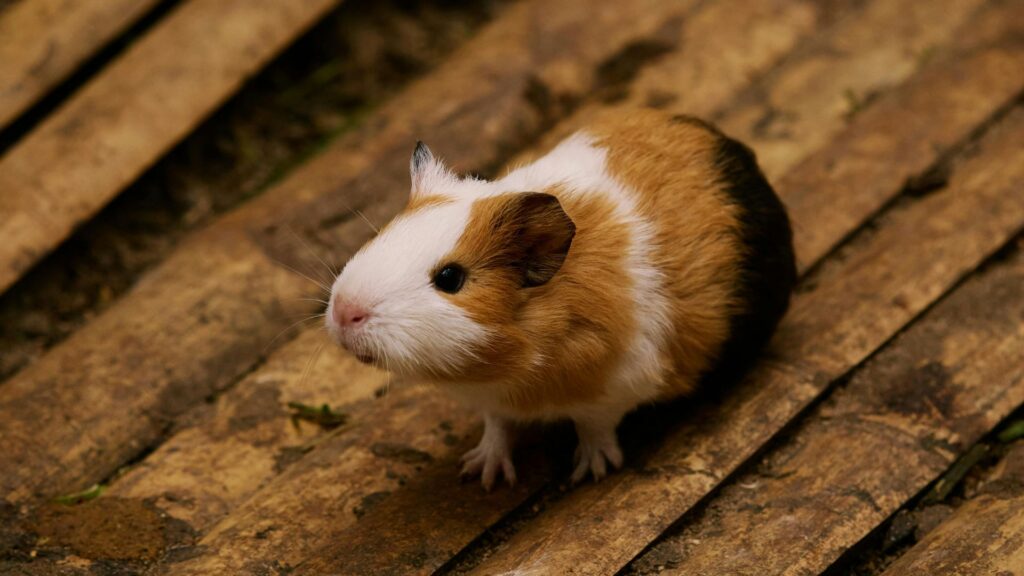
Damage Pests Can Cause
Rodents can cause serious damage while your RV is parked.
They may chew:
- Electrical wires
- Water lines
- Insulation
- Cushions and fabric
- Plastic components
Repairs can cost thousands of dollars. That is why RV pest prevention tips are just as important as winterizing your RV.
Combine Winterizing and Pest Prevention
Many owners focus only on plumbing when winterizing your RV. They drain water lines, protect water pumps, and empty holding tanks.
That is important.
But pest prevention should always be part of the process when storing your RV.
When you prepare your RV properly, you protect your RV from freezing damage and unwanted animals at the same time.
Storing your RV in Alberta requires more than just covering it and walking away.
Take time to:
- Clean thoroughly
- Seal entry points
- Use deterrents
- Control moisture
- Choose safe RV storage
- Perform seasonal checks
Whether you park your RV at home or in a professional storage facility, prevention is easier and cheaper than repairs.
If you are planning on storing your RV this season, don’t forget pest prevention. A little effort now will help protect your RV all winter long — and make spring travel much easier.